
Introduction Understanding the Reality of STDs and STIs
In today's fast-paced world, spontaneous encounters in places like bars, clubs, and online meetups have become commonplace, it's essential to discuss the risks that come with them. Casual relationships can be fun and thrilling, but they also come with serious health considerations. This post will cover key aspects of sexually transmitted diseases (STDs) like HIV, gonorrhea, and others, offering important insights into how you can protect yourself, the risks associated with these encounters, and the steps you can take to ensure your health and safety.
Engaging in casual encounters, especially in environments sex may be involved with partners whose sexual health status is unknown, increases the risk of contracting STDs or STIs. Here are a few of the most common ones
Other common infections herpes, HPV (which can lead to cancer), and trichomoniasis.
When engaging in quick or casual encounters, you need to be aware of the following precautions to protect yourself and your partner(s)
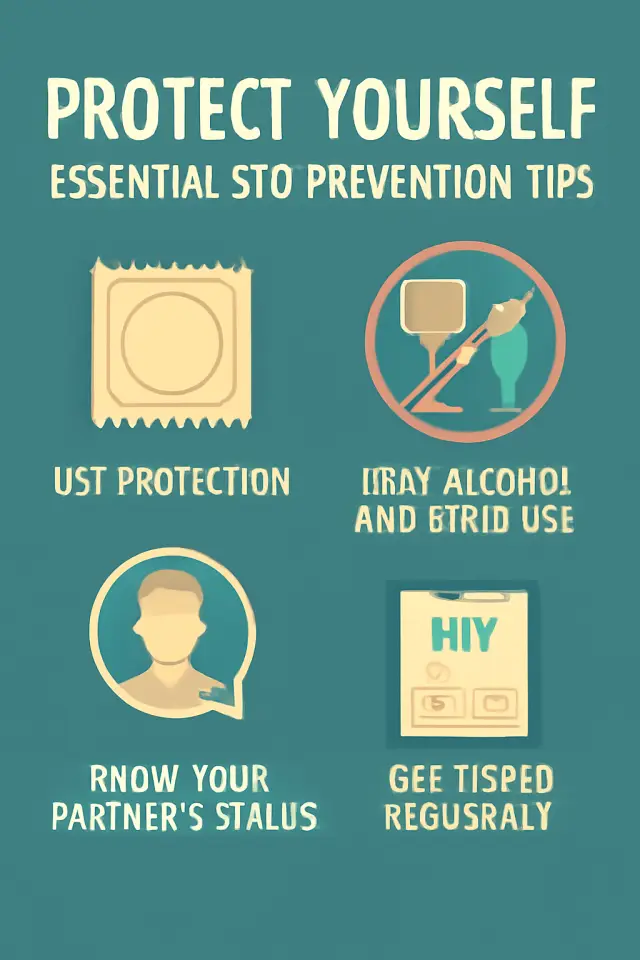
The most basic yet effective method is the consistent and correct use of condoms. While condoms cannot provide 100% protection against all STDs (especially ones like herpes or HPV that can be transmitted through skin contact), they dramatically reduce the risk of transmission.
Before engaging in sexual activity, always communicate openly with your partner about sexual health. It's important to know whether either of you has been tested for STDs recently. Getting tested together can be a bonding experience and a way to ensure you're both healthy.
Intoxication can impair judgment and lead to risky decisions. Many people lower their guard in social settings like bars or clubs, which can lead to unsafe encounters. Limiting alcohol and avoiding recreational drugs can help you make clearer decisions and stay safe.
If you're engaging in casual encounters, it's crucial to get tested regularly. Many STDs, like chlamydia and gonorrhea, can be asymptomatic, meaning you could unknowingly transmit them to others. Regular testing helps catch infections early and prevent long-term health issues.
In situations you're unsure of your partner's sexual health history, it’s important to be cautious. If you're with a sex worker, it’s essential to remember that not all sex workers may be practicing safe sex. This is why using condoms at all times, no matter the situation, is non-negotiable.
There are vaccines available for certain STIs like HPV and hepatitis B. Consider getting vaccinated if you're at high risk.
Drugs can be a significant risk factor when it comes to sexual health. Not only do drugs affect your ability to make sound decisions, but they can also lower inhibitions and lead to risky sexual behaviors. Additionally, sharing needles or engaging in unprotected sex while under the influence of drugs significantly raises the chances of contracting or spreading infections.
For many STDs, there is no cure, but treatment is available
It's easy to get overwhelmed when thinking about the risks associated with casual sexual encounters, but it's important to stay hopeful and proactive. The key is education, protection, and open communication. Take care of your sexual health by practicing safe sex, getting tested regularly, and being mindful of the risks, but also understand that modern medicine offers a lot of tools to manage and treat these infections.
While STDs are serious, they don't have to be life-ing, especially when you approach them with caution and responsibility. By staying informed and making the right choices, you can lead a healthy, fulfilling sex life without letting fear of disease control your relationships.
Published on 04/08/2025
 English
 Español
 中文
中文 Français